Injury or Physical Limitations
Physical limitations do not prevent weight loss fitness success. Moreover, low-impact exercises like swimming and walking support weight loss fitness. Additionally, consult physical therapists for modifications. Furthermore, explore our low-impact fitness guide for safe alternatives.
Frequently Asked Questions About Weight Loss Fitness
Q: How much weight can I lose with weight loss fitness?
A: Weight loss depends on diet, exercise, and individual factors. Moreover, healthy weight loss is 1-2 pounds per week. Additionally, combining weight loss fitness with proper nutrition creates consistent results. Furthermore, expect 10-15 pounds loss in 2-3 months with dedication to weight loss fitness.
Q: How long until I see weight loss fitness results?
A: You may notice increased energy and better sleep within 1-2 weeks of weight loss fitness. Moreover, visible weight changes appear after 2-4 weeks. Additionally, body composition changes (muscle gain, fat loss) occur before major weight loss. Furthermore, consistency matters more than speed for weight loss fitness.
Q: Can I lose weight with exercise alone?
A: Exercise supports weight loss but diet is most important. Moreover, weight loss fitness without dietary changes produces slower results. Additionally, combining weight loss fitness with proper nutrition creates optimal results. Furthermore, diet accounts for 80% of weight loss while exercise accounts for 20%.
Q: How often should I exercise for weight loss fitness?
A: 250-300 minutes per week is ideal for weight loss fitness. Moreover, this equals 5 days per week of 50-60 minute sessions. Additionally, consistency matters more than intensity for weight loss fitness. Furthermore, three shorter workouts per week are better than no workouts.
Q: Is cardio or strength training better for weight loss fitness?
A: Both are important for weight loss fitness. Moreover, cardio burns calories during exercise. Additionally, strength training builds muscle increasing resting metabolism. Furthermore, combining both cardio and strength creates optimal weight loss fitness results.
Q: Can I do weight loss fitness with health conditions?
A: Many people with health conditions benefit from weight loss fitness. Moreover, consult your doctor about appropriate exercises. Additionally, your doctor can provide modifications for weight loss fitness. Furthermore, low-impact weight loss fitness options exist for most conditions.
Q: What if I gain weight when starting weight loss fitness?
A: Initial weight gain with weight loss fitness is normal. Moreover, muscle weighs more than fat. Additionally, you may gain muscle while losing fat. Furthermore, focus on measurements and how clothes fit rather than scale weight during weight loss fitness.
Q: How do I maintain weight loss after weight loss fitness success?
A: Continue your weight loss fitness routine and healthy eating. Moreover, gradually increase calories slightly as weight stabilizes. Additionally, maintain 150+ minutes weekly exercise for weight loss fitness maintenance. Furthermore, weight loss fitness is a lifestyle, not temporary diet.
Mental Strategies for Weight Loss Fitness Success
Mental strength is as important as physical strength for weight loss fitness success.
Set Realistic Weight Loss Fitness Goals
Set specific weight loss fitness goals. For example, “I will exercise 5 days per week and eat healthy meals” is realistic. Moreover, “I will lose 50 pounds in 2 months” is not realistic. Additionally, realistic goals keep you motivated because you achieve them.
Find Your Weight Loss Fitness Motivation
Why do you want weight loss fitness? Is it health, appearance, energy, or confidence? Moreover, knowing your “why” keeps you motivated. Additionally, remind yourself of your why on difficult days. Furthermore, your why is more powerful than temporary motivation.
Build Support Systems
Weight loss fitness is easier with support. Moreover, find a workout partner or join a weight loss fitness community. Additionally, accountability increases consistency. Furthermore, sharing your weight loss fitness journey with others provides encouragement.
Medical Disclaimer
IMPORTANT: This article is for educational purposes only. It is not medical advice. Moreover, before starting any weight loss fitness program, consult with your doctor or healthcare provider. Additionally, this is especially important if you have health conditions, take medications, are significantly overweight, or have not exercised in years.
If you experience chest pain, severe shortness of breath, dizziness, or other concerning symptoms during weight loss fitness exercise, stop immediately and seek medical attention.
Conclusion: Start Your Weight Loss Fitness Journey Today
Weight loss fitness is achievable for anyone. Moreover, you do not need expensive gyms, complicated routines, or extreme diets. Additionally, the basics are simple: move your body consistently, eat well, and stay committed.
The hardest part is starting. Once you begin your weight loss fitness journey, momentum builds. Furthermore, after four weeks of consistency, weight loss fitness becomes easier. Additionally, after twelve weeks, you notice significant physical changes.
You are capable of amazing weight loss fitness transformation. Start today with a single workout. Moreover, do not wait for the perfect moment. Additionally, commit to consistency, and watch your life transform through weight loss fitness success.
For related fitness topics, check out our comprehensive guides: fitness for beginners, fitness for women over 40, fitness for seniors over 65, fitness for busy professionals, and postpartum fitness recovery. Moreover, explore our nutrition for weight loss guide to combine diet with weight loss fitness for maximum results. Furthermore, discover additional fitness options in our complete fitness library for your specific needs and goals.
Weight loss fitness is the most effective way to lose weight and keep it off permanently. Many people believe that diet alone can achieve weight loss goals. However, exercise combined with proper nutrition creates sustainable results that last a lifetime. Moreover, weight loss fitness improves your health, energy, confidence, and quality of life in ways that dieting alone cannot.
If you have tried dieting without exercise and failed, struggled with yo-yo weight loss, or want to transform your body permanently, this guide is for you. Furthermore, weight loss fitness focuses on practical exercises, realistic routines, and proven strategies. Consequently, you will achieve lasting weight loss while building strength, endurance, and confidence.
This comprehensive guide covers everything you need to know about weight loss fitness. Learn which exercises burn the most calories, how much exercise you need for weight loss, the relationship between diet and weight loss fitness, and mental strategies for success. Additionally, discover how to overcome common weight loss obstacles and maintain results for life.
Why Weight Loss Fitness Works Better Than Diet Alone
Understanding why exercise is crucial for weight loss helps you commit to long-term success. Many people lose weight with diet alone, only to regain it within months. Moreover, weight loss fitness creates different results than dieting.
Calorie Burn and Metabolism
Weight loss fitness burns calories during exercise and increases your resting metabolic rate. Additionally, muscle tissue burns more calories than fat tissue, even at rest. Furthermore, regular exercise from weight loss fitness elevates your metabolism for hours after workouts. Consequently, you burn more calories throughout the day.
Muscle Preservation During Weight Loss
Diet alone causes you to lose muscle along with fat. Moreover, losing muscle slows your metabolism, making future weight loss harder. However, weight loss fitness preserves muscle while burning fat. Additionally, preserving muscle keeps your metabolism high and prevents metabolic slowdown. Furthermore, this is why weight loss fitness results are more sustainable than diet-only weight loss.
Long-Term Weight Loss Sustainability
Weight loss fitness creates habits you can maintain for life. Moreover, exercise becomes easier and more enjoyable over time. Additionally, people who combine weight loss fitness with nutrition maintain results better than those who diet alone. Furthermore, weight loss fitness prevents weight regain and yo-yo dieting cycles.
Health Benefits Beyond Weight Loss
Weight loss fitness improves heart health, reduces disease risk, increases energy, improves sleep quality, and boosts mental health. Moreover, these benefits occur whether or not you lose weight, making weight loss fitness valuable on its own. Additionally, combining weight loss fitness benefits with actual weight loss creates transformative life changes.
Understanding Weight Loss and Exercise Basics
Before starting any weight loss fitness program, understand the science behind weight loss. This knowledge helps you make informed decisions and stay motivated.
Calories In vs. Calories Out
Weight loss occurs when you burn more calories than you consume. Moreover, weight loss fitness increases calories burned through exercise. Additionally, this creates a calorie deficit leading to weight loss. Furthermore, a moderate calorie deficit of 500 calories per day creates 1 pound of weight loss per week.
The Role of Diet in Weight Loss Fitness
Diet accounts for approximately 80% of weight loss results. Moreover, you cannot out-exercise a bad diet. Additionally, weight loss fitness combined with proper nutrition creates optimal results. Furthermore, nutrition is as important as exercise for weight loss fitness success. For detailed nutrition guidance, see our complete nutrition for weight loss guide.
Consult Your Doctor Before Starting
If you are over 40, have health conditions, or are significantly overweight, consult your doctor before starting weight loss fitness. Additionally, inform your healthcare provider about your weight loss goals. Moreover, your doctor can provide modifications for your specific health situation. Furthermore, medical clearance ensures safe weight loss fitness practice.
Getting Started: Your First Steps in Weight Loss Fitness
Starting a weight loss fitness program is simpler than you think. You do not need expensive gyms, complicated routines, or intense workouts. Furthermore, the best weight loss fitness program is one you will actually do consistently.
Start with Cardio Exercise
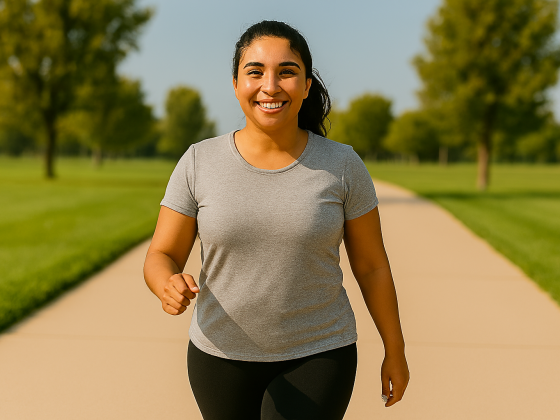
Cardio exercise burns the most calories for weight loss fitness. Walking, jogging, cycling, swimming, and dancing are all effective. Moreover, cardio does not require equipment or gym membership. Additionally, you can do cardio anywhere, anytime. Furthermore, start with 150 minutes of moderate cardio per week for optimal weight loss fitness results. According to the CDC, this amount of cardio provides significant weight loss and health benefits.
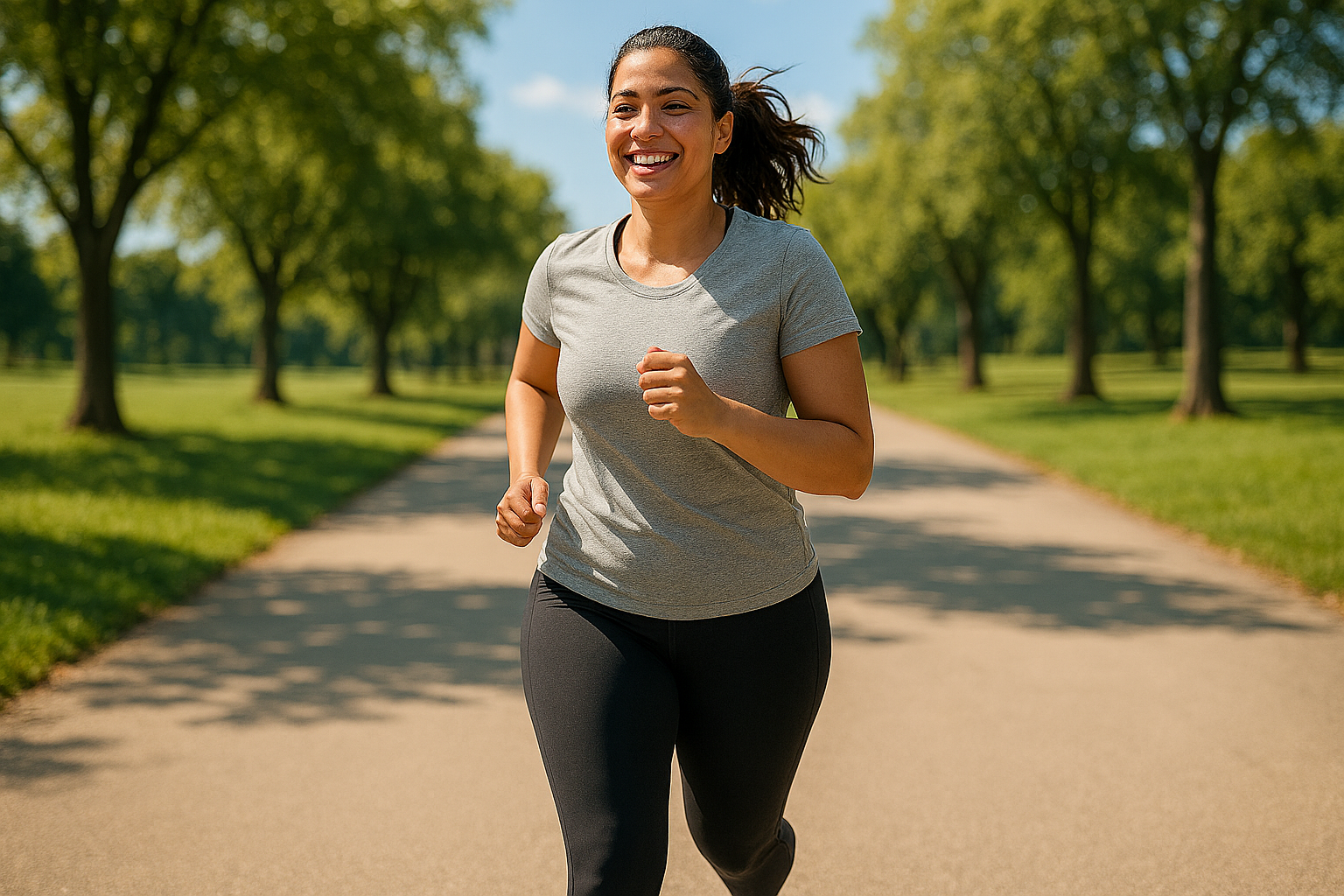
Cardio exercise is the foundation of weight loss fitness. Start today and transform your body through consistent exercise.
Home or Gym: Choose Your Environment
Weight loss fitness can be done at home or at a gym. Moreover, home workouts save time and money. Additionally, gym environments provide motivation and variety. Furthermore, choose the environment where you will actually exercise consistently. This consistency is more important than location choice.
Equipment Needed for Weight Loss Fitness
You need minimal equipment to start weight loss fitness:
- Comfortable workout clothes
- Supportive sneakers or walking shoes
- Water bottle for hydration
- A clear space for exercise (room, yard, or park)
- Optional: dumbbells, resistance bands, or yoga mat
Start with bodyweight exercises. If you want equipment, dumbbells and resistance bands cost under $50 and provide excellent weight loss fitness results.
Best Exercises for Weight Loss Fitness
These exercises are proven to burn calories and support weight loss fitness goals. All can be done at home or outdoors. Moreover, these exercises are safe for most fitness levels. For joint-friendly options, explore our low-impact fitness guide.
1. Walking and Brisk Walking (Cardio)
How to do it: Walk at a comfortable pace, gradually increasing speed. Brisk walking is 3-4 mph pace where you can talk but not sing. Do 30-45 minute sessions three to five times per week for weight loss fitness.
Why it works: Walking burns calories and is sustainable for long-term weight loss fitness. Moreover, it requires no equipment and low injury risk. Additionally, walking is suitable for all fitness levels and ages.
2. Jogging or Running (High-Intensity Cardio)
How to do it: Jog or run at a sustainable pace for 20-30 minutes, three to four times per week. Start slowly if new to running and gradually increase intensity for weight loss fitness.
Why it works: Running burns significantly more calories than walking. Moreover, it elevates metabolism for hours after exercise. Additionally, running builds cardiovascular fitness supporting long-term weight loss fitness results.
3. Cycling (Cardio)
How to do it: Ride a stationary bike or outdoor bicycle at moderate intensity for 30-45 minutes, three to four times per week for weight loss fitness.
Why it works: Cycling burns calories while being low-impact on joints. Moreover, it builds leg muscle which increases metabolism. Additionally, cycling is enjoyable and sustainable for weight loss fitness.
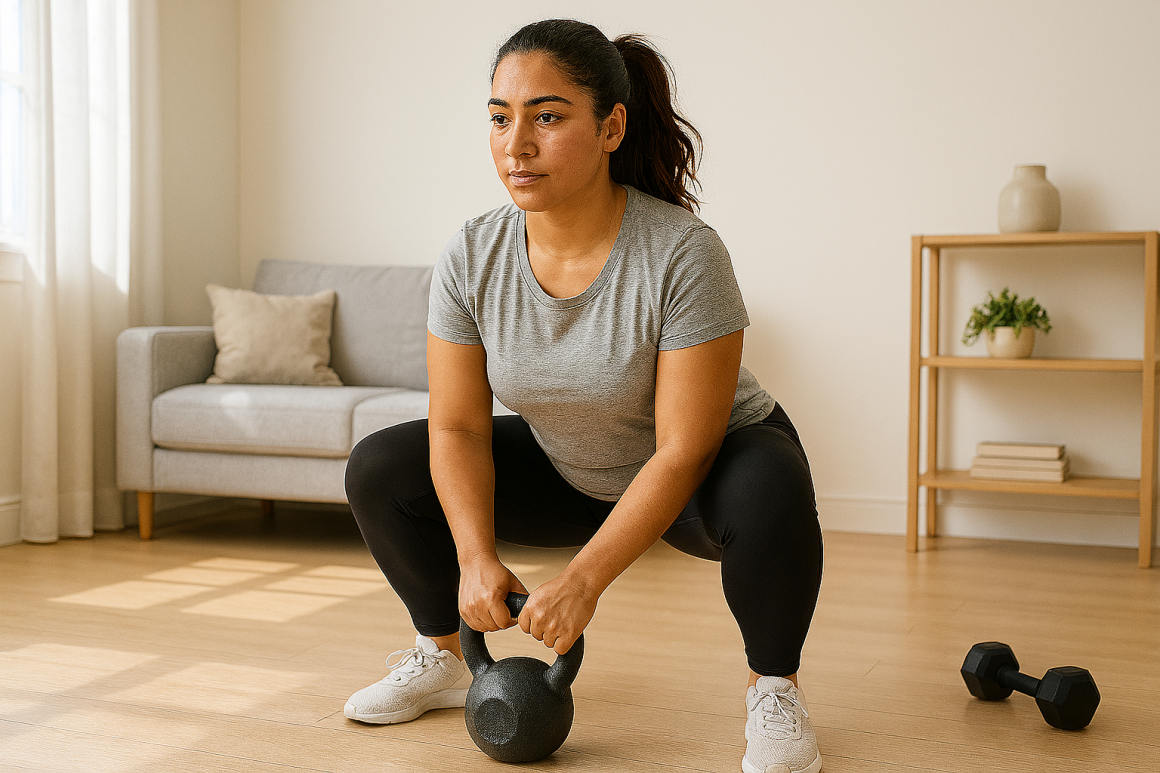
4. Squats and Lunges (Strength for Weight Loss)
How to do it: Perform squats and lunges using bodyweight or dumbbells. Do 3 sets of 10-15 repetitions three times per week for weight loss fitness strength building.
Why it works: Leg exercises work the largest muscles in your body. Moreover, this burns maximum calories during and after exercise. Additionally, building leg muscle increases resting metabolism supporting weight loss fitness long-term.
5. Burpees and High-Intensity Interval Training (HIIT)
How to do it: Perform intense exercises for 30 seconds followed by 30 seconds rest. Repeat for 15-20 minute sessions, two to three times per week for weight loss fitness.
Why it works: HIIT burns maximum calories in minimum time. Moreover, it increases metabolic rate for hours after exercise. Additionally, HIIT creates efficient weight loss fitness results even with short workout times.
6. Swimming (Full-Body Cardio)
How to do it: Swim at moderate intensity for 30-45 minutes, three to four times per week for weight loss fitness.
Why it works: Swimming burns calories while providing low-impact full-body exercise. Moreover, water resistance builds muscle while burning fat. Additionally, swimming is enjoyable and sustainable for weight loss fitness.
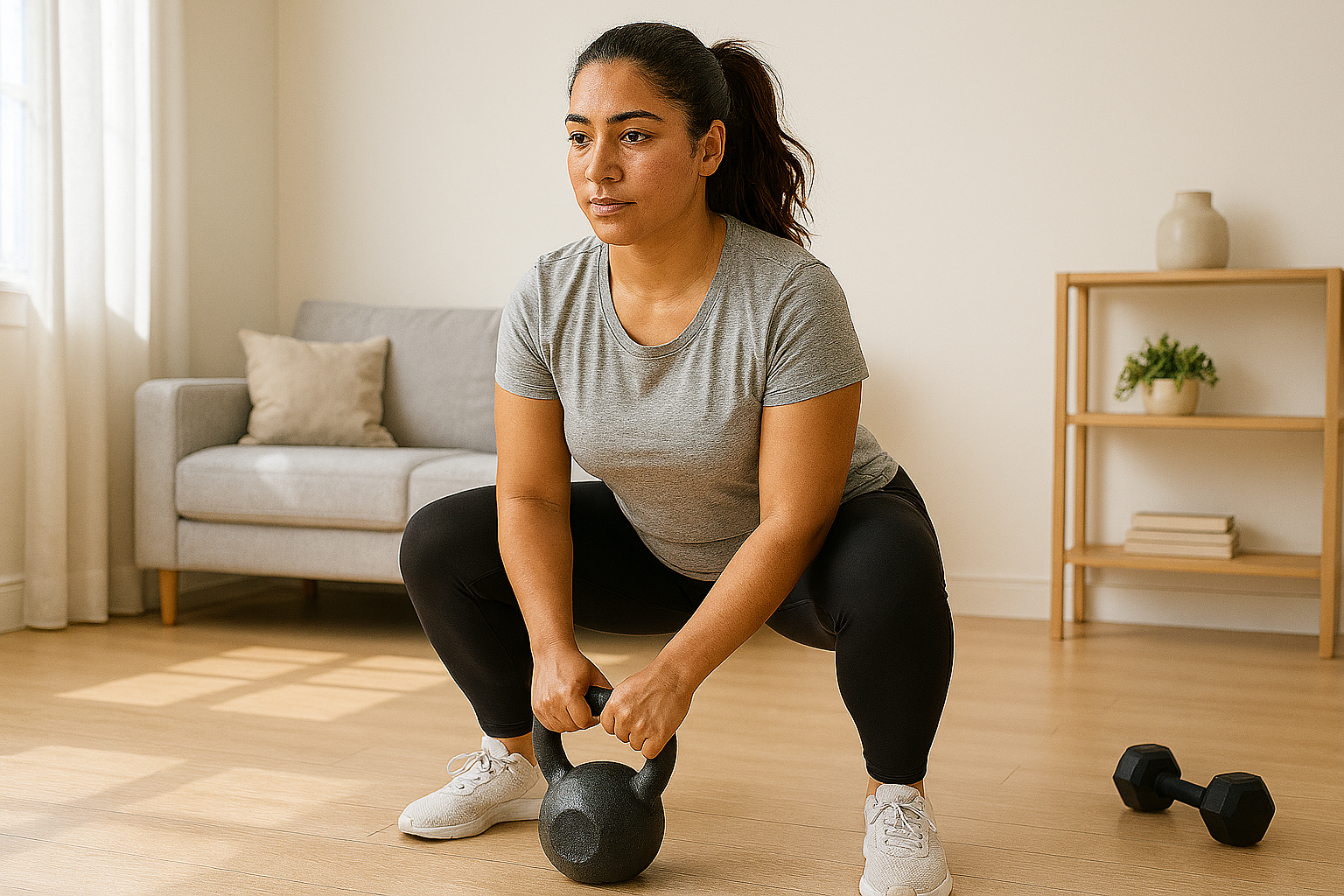
Strength training combined with cardio creates optimal weight loss fitness results.
Your Weight Loss Fitness Workout Plan
Here is a realistic weekly schedule for weight loss fitness success:
Monday: Cardio + Strength
- Warm-up: 5 minutes walking or light exercise
- Cardio: 30 minutes jogging or cycling
- Strength: 15 minutes squats, lunges, and pushups
- Cool down: 5 minutes stretching
- Total time: 55 minutes
Tuesday: Rest or Light Activity
- Light stretching or yoga: 15-20 minutes
- Gentle walking: 15 minutes (optional)
- Total time: 15-20 minutes (active recovery)
Wednesday: HIIT or High-Intensity Cardio
- Warm-up: 5 minutes light exercise
- HIIT: 20 minutes intense intervals
- Cool down: 5 minutes stretching
- Total time: 30 minutes
Thursday: Rest or Light Activity
- Light stretching or yoga: 15-20 minutes
- Walking: 20 minutes (optional)
- Total time: 15-20 minutes (active recovery)
Friday: Cardio + Strength
- Warm-up: 5 minutes light exercise
- Cardio: 30 minutes swimming or cycling
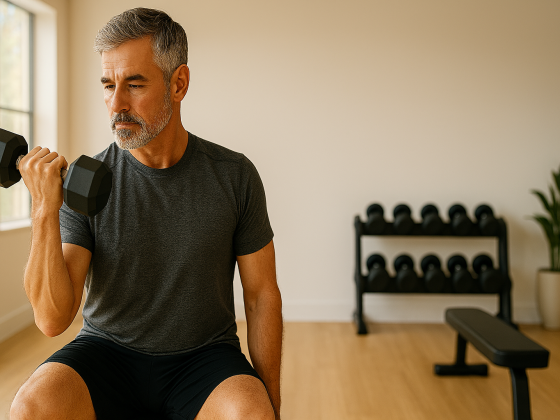
- Strength: 15 minutes dumbbell exercises
- Cool down: 5 minutes stretching
- Total time: 55 minutes
Saturday: Long Cardio Session
- Steady-state cardio: 45-60 minutes jogging or walking
- Cool down: 5 minutes stretching
- Total time: 50-65 minutes
Sunday: Complete Rest
- Rest day for recovery
- Optional: light stretching (10 minutes)
- Total time: 0-10 minutes
This weight loss fitness schedule provides 250-300 minutes of exercise weekly. Moreover, this creates significant calorie burn supporting rapid, sustainable weight loss. Additionally, variety prevents boredom and works different muscle groups.
Nutrition for Weight Loss Fitness
Exercise alone does not create weight loss. Moreover, nutrition is 80% of weight loss results. Additionally, combining weight loss fitness with proper eating creates optimal results. According to the Mayo Clinic, combining diet and exercise is essential for sustainable weight loss.
Create a Calorie Deficit
Weight loss occurs with a calorie deficit. Moreover, a 500 calorie daily deficit creates 1 pound weekly weight loss. Additionally, combine weight loss fitness exercise (250 calories) with dietary changes (250 calories) for optimal results. Furthermore, this approach is sustainable and effective.
Eat Protein for Weight Loss Fitness
Protein preserves muscle during weight loss fitness. Moreover, protein keeps you full longer reducing overall calorie intake. Additionally, eat 0.8-1 gram protein per pound of body weight daily. Furthermore, good protein sources include chicken, fish, eggs, yogurt, beans, and nuts.
Choose Whole Foods
Whole foods are lower in calories than processed foods. Moreover, vegetables, fruits, whole grains, and lean meats support weight loss fitness. Additionally, whole foods keep you satisfied longer. Furthermore, clean eating is essential for weight loss fitness success.

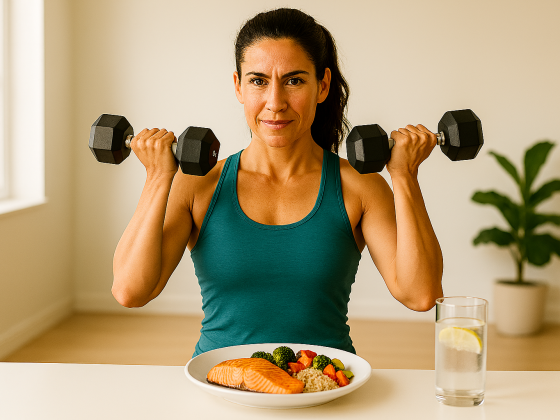
Nutrition is 80% of weight loss fitness success. Combine exercise with healthy eating for optimal results.
Stay Hydrated
Water is essential for weight loss fitness. Moreover, drink at least 10 glasses daily during weight loss fitness training. Additionally, water boosts metabolism by 3-5%. Furthermore, proper hydration supports exercise performance and recovery. The American Heart Association recommends consistent hydration for health and fitness success.
Tracking Progress in Weight Loss Fitness
Tracking progress keeps you motivated during your weight loss fitness journey. Moreover, progress is not just the number on the scale.
Monitor Weight and Body Measurements
Weigh yourself once per week for weight loss fitness tracking. Moreover, measure waist, hips, chest, and arms monthly. Additionally, take progress photos every four weeks. Furthermore, these metrics show weight loss fitness progress when the scale does not.
Track Fitness Improvements
Record your weight loss fitness workouts including duration and intensity. Moreover, note how you feel during and after exercise. Additionally, track increasing energy, better sleep, and improved mood. Furthermore, these non-scale victories prove weight loss fitness is working.
Use Fitness Apps and Tools
Fitness tracking apps record weight loss fitness progress automatically. Moreover, they calculate calories burned and provide motivation through streaks and achievements. Additionally, smartwatches track heart rate and activity levels. Furthermore, these tools make weight loss fitness tracking easy and fun.

Track your weight loss fitness progress to stay motivated and celebrate achievements.
Overcoming Weight Loss Fitness Challenges
Weight loss fitness is challenging. Moreover, understanding common obstacles helps you overcome them.
Weight Loss Plateaus
Weight loss may slow or stop during weight loss fitness training. Moreover, plateaus are normal and temporary. Additionally, your body adapts to exercise. Furthermore, change your workout intensity or type to break through plateaus. Increase exercise duration, intensity, or try new activities to reignite weight loss fitness results.
Motivation Loss
Motivation naturally decreases during long weight loss fitness journeys. Moreover, find your “why” – the reason you started weight loss fitness. Additionally, join a weight loss fitness community for support and accountability. Furthermore, celebrate small victories to maintain motivation.
Time Constraints
Busy schedules challenge weight loss fitness consistency. Moreover, short 20-30 minute workouts are effective. Additionally, weight loss fitness can be done at home without equipment. Furthermore, prioritize weight loss fitness by scheduling workouts like appointments.
Injury or Physical Limitations
Physical limitations do not prevent weight loss fitness success. Moreover, low-impact exercises like swimming and walking support weight loss fitness. Additionally, consult physical therapists for modifications. Furthermore, explore our low-impact fitness guide for safe alternatives.
Frequently Asked Questions About Weight Loss Fitness
Q: How much weight can I lose with weight loss fitness?
Q: How long until I see weight loss fitness results?
Q: Can I lose weight with exercise alone?
Q: How often should I exercise for weight loss fitness?
Q: Is cardio or strength training better for weight loss fitness?
Q: Can I do weight loss fitness with health conditions?
Q: What if I gain weight when starting weight loss fitness?
Q: How do I maintain weight loss after weight loss fitness success?
Mental Strategies for Weight Loss Fitness Success
Mental strength is as important as physical strength for weight loss fitness success.
Set Realistic Weight Loss Fitness Goals
Set specific weight loss fitness goals. For example, “I will exercise 5 days per week and eat healthy meals” is realistic. Moreover, “I will lose 50 pounds in 2 months” is not realistic. Additionally, realistic goals keep you motivated because you achieve them.
Find Your Weight Loss Fitness Motivation
Why do you want weight loss fitness? Is it health, appearance, energy, or confidence? Moreover, knowing your “why” keeps you motivated. Additionally, remind yourself of your why on difficult days. Furthermore, your why is more powerful than temporary motivation.
Build Support Systems
Weight loss fitness is easier with support. Moreover, find a workout partner or join a weight loss fitness community. Additionally, accountability increases consistency. Furthermore, sharing your weight loss fitness journey with others provides encouragement.
Medical Disclaimer
IMPORTANT: This article is for educational purposes only. It is not medical advice. Moreover, before starting any weight loss fitness program, consult with your doctor or healthcare provider. Additionally, this is especially important if you have health conditions, take medications, are significantly overweight, or have not exercised in years.
If you experience chest pain, severe shortness of breath, dizziness, or other concerning symptoms during weight loss fitness exercise, stop immediately and seek medical attention.
Conclusion: Start Your Weight Loss Fitness Journey Today
Weight loss fitness is achievable for anyone. Moreover, you do not need expensive gyms, complicated routines, or extreme diets. Additionally, the basics are simple: move your body consistently, eat well, and stay committed.
The hardest part is starting. Once you begin your weight loss fitness journey, momentum builds. Furthermore, after four weeks of consistency, weight loss fitness becomes easier. Additionally, after twelve weeks, you notice significant physical changes.
You are capable of amazing weight loss fitness transformation. Start today with a single workout. Moreover, do not wait for the perfect moment. Additionally, commit to consistency, and watch your life transform through weight loss fitness success.
For related fitness topics, check out our comprehensive guides: fitness for beginners, fitness for women over 40, fitness for seniors over 65, fitness for busy professionals, and postpartum fitness recovery. Moreover, explore our nutrition for weight loss guide to combine diet with weight loss fitness for maximum results. Furthermore, discover additional fitness options in our complete fitness library for your specific needs and goals.