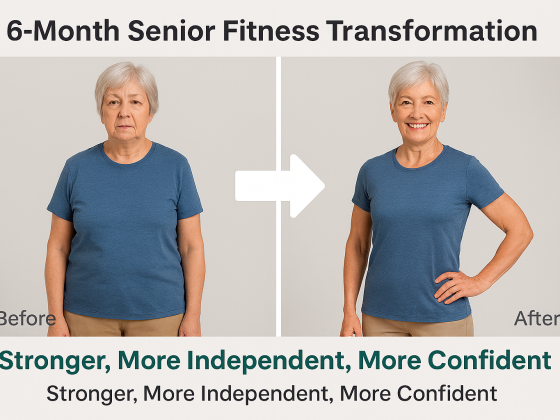
Fitness for women over 40 is not the same as fitness in your twenties or thirties. Your body changes. Your metabolism slows down. Your hormones shift. However, this does not mean you cannot stay strong, healthy, and fit.
In fact, women over 40 who exercise regularly are stronger and healthier than many younger women. Moreover, staying active after 40 prevents disease, keeps your bones strong, and helps you maintain independence for life.
The key is understanding how your body changes and adjusting your fitness routine to match. Furthermore, you need the right exercises, recovery methods, and nutrition to see results. This guide covers everything you need to know about fitness for women over 40.
Why Fitness Changes After Age 40
Your body does not stay the same forever. At age 40, several important changes happen:
Metabolism Slows Down
After age 40, your resting metabolic rate drops by about 2-8% per decade. This means you burn fewer calories just sitting around. Consequently, weight management becomes harder without making changes to your fitness routine.
Muscle loss (called sarcopenia) is the main reason. Women lose about 3-5% of muscle mass every decade after age 30. By age 40, this loss accelerates. Muscle burns more calories than fat, so less muscle means fewer calories burned.
Hormonal Changes
Hormones are chemical messengers in your body. Between ages 40-55, women enter perimenopause. During this time, estrogen and progesterone levels drop. These hormones help regulate metabolism, mood, and bone health.
Lower hormones mean weight gain is easier, especially around the belly. Additionally, mood swings and sleep problems become more common. However, the right fitness routine can help manage these changes naturally.
Bone Density Decreases
Women lose bone density faster after age 40. This increases the risk of osteoporosis and fractures. Moreover, weak bones affect your posture and increase fall risk. Strength training and weight-bearing exercise are the best ways to protect your bones.
According to the Mayo Clinic, strength training 2-3 times per week can slow bone loss and even increase bone density in women over 40.
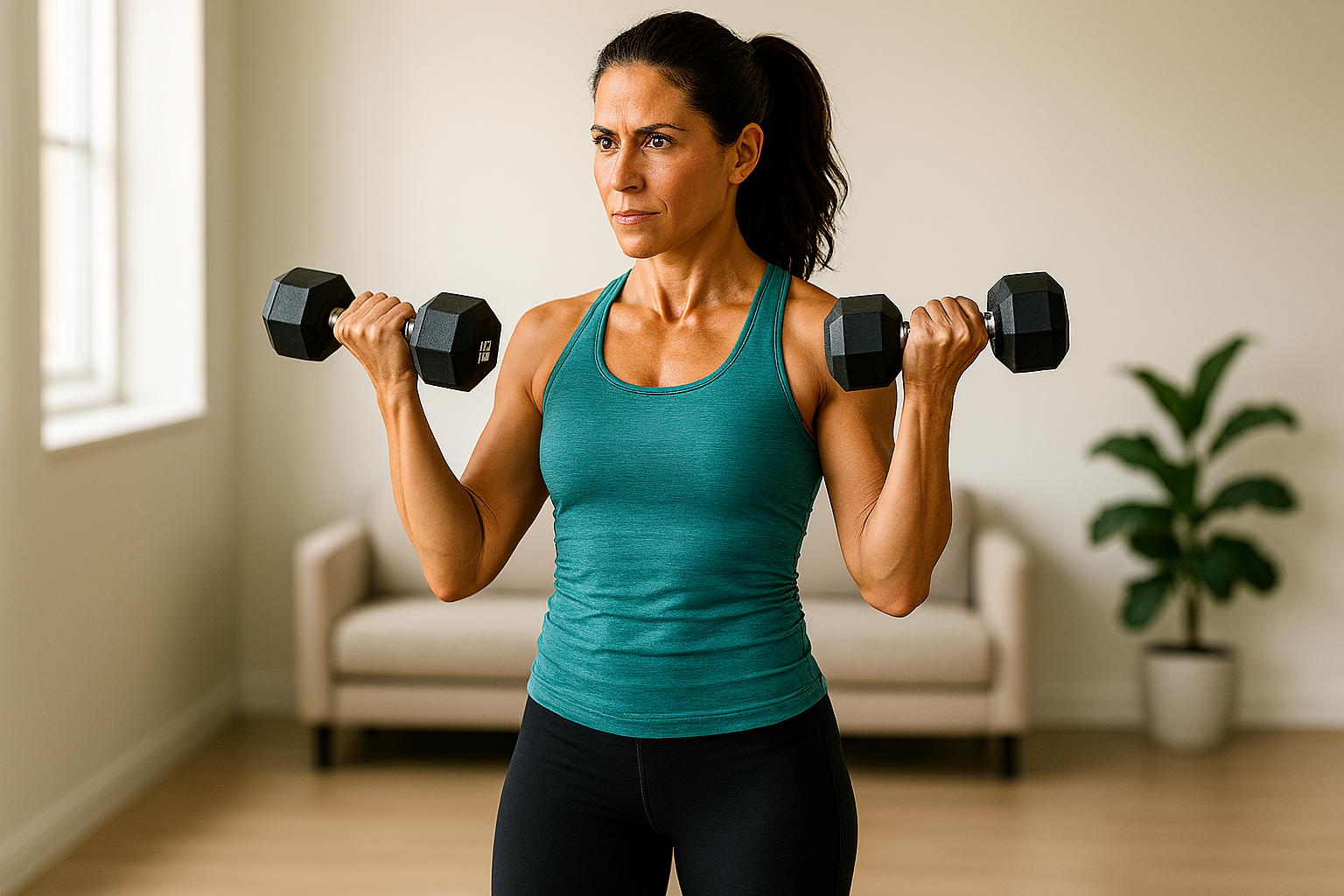
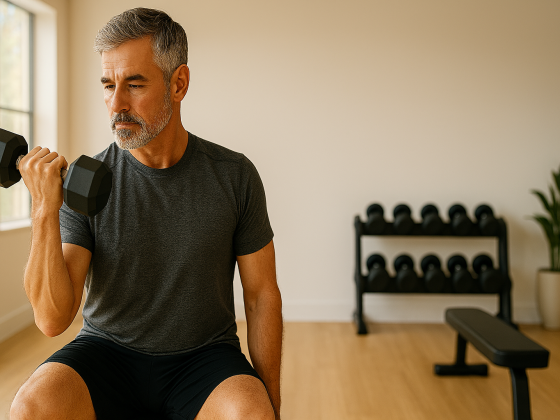
Strength training is essential for women over 40 to maintain muscle mass and bone density.
The Best Fitness Routine for Women Over 40
Fitness for women over 40 should include three main components: strength training, cardiovascular exercise, and flexibility work. Furthermore, recovery is just as important as the workout itself.
Strength Training (3 Days Per Week)
Strength training is the foundation of fitness for women over 40. It builds muscle, burns calories, protects your bones, and keeps your metabolism high. Moreover, strong muscles prevent injuries and allow you to stay independent as you age.
Focus on compound exercises that work multiple muscle groups:
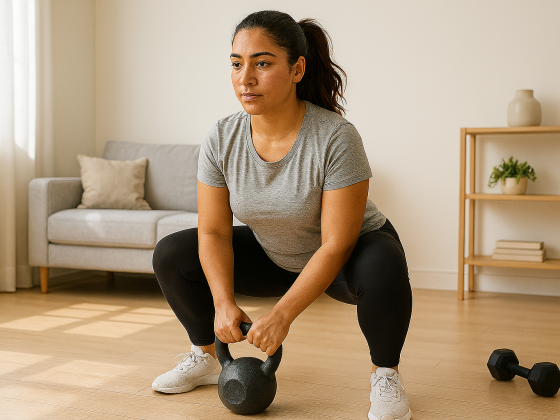
1. Squats (Legs & Core)
How to do it: Stand with feet shoulder-width apart. Lower your body like you are sitting in a chair. Keep your chest up and your weight in your heels. Go as deep as comfortable, then push back to standing. Do 3 sets of 10-12 reps.
Why it matters: Squats strengthen your legs and core. Strong legs prevent falls and make everyday activities easier. Furthermore, squats boost your metabolism because legs are your largest muscle group.
2. Push-Ups or Chest Press (Upper Body)
How to do it: If doing floor push-ups, keep your body straight from head to heels. Lower yourself until your chest nearly touches the floor. If full push-ups are too hard, do wall push-ups or use a bench. Do 3 sets of 8-10 reps.
Why it matters: Push-ups build upper body strength and strengthen your bones. Additionally, they improve posture, which many women over 40 struggle with.
3. Deadlifts (Full Body)
How to do it: Stand with feet shoulder-width apart. Bend at your hips and knees while keeping your back straight. Pick up weight from the ground. Stand up straight, then lower the weight back down. Start with light weight or no weight. Do 3 sets of 8-10 reps.
Why it matters: Deadlifts work your entire body. They strengthen your back, legs, core, and arms. Moreover, deadlifts improve posture and reduce back pain, which is common in women over 40.
4. Planks (Core Stability)
How to do it: Get in a push-up position on your forearms. Keep your body straight. Hold this position for 20-60 seconds. Rest and repeat 3 times. As you get stronger, increase the hold time.
Why it matters: A strong core protects your spine and prevents back pain. Furthermore, core strength helps with balance, which becomes more important as you age to prevent falls.
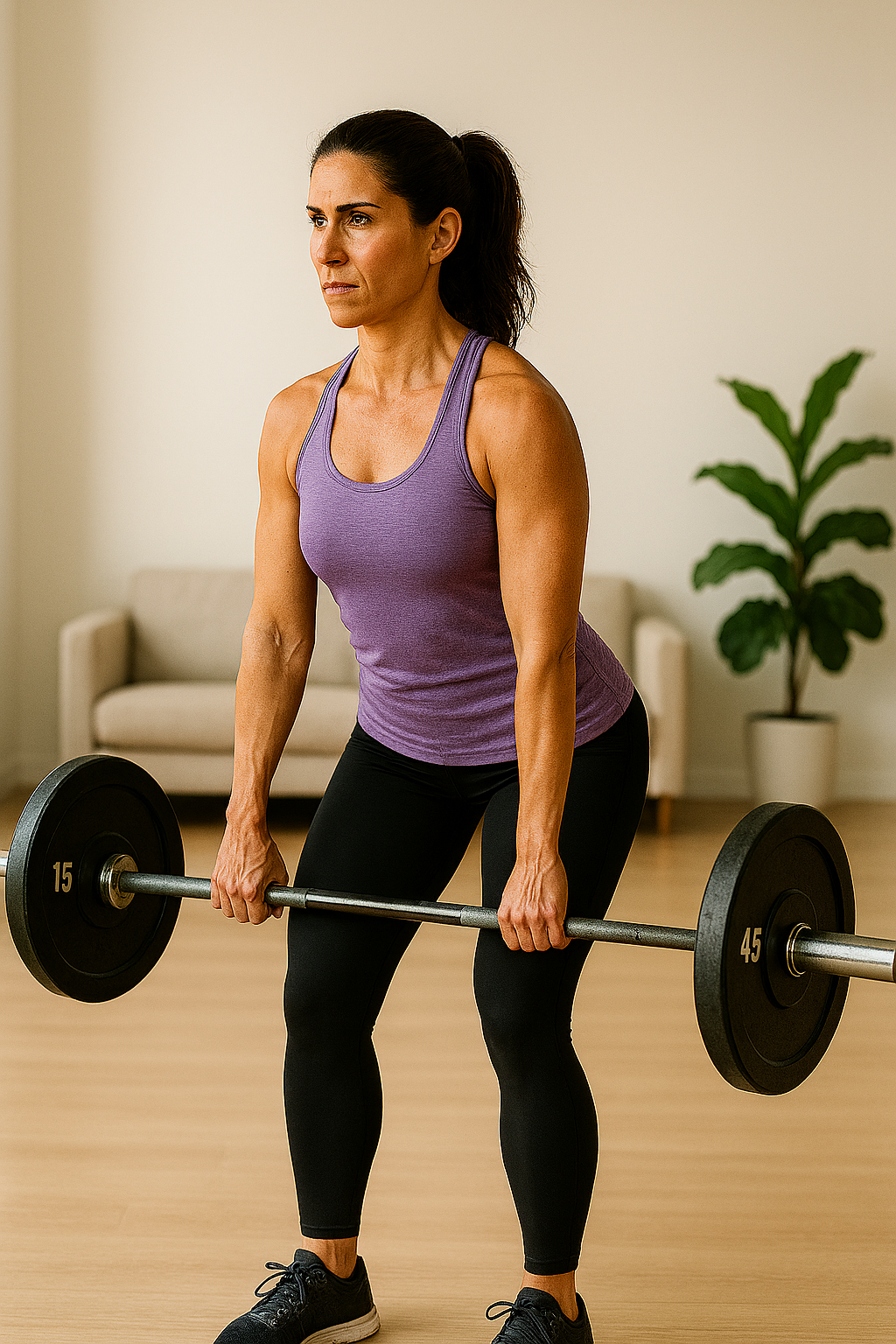
Deadlifts are powerful full-body exercises that strengthen muscles and bones for women over 40.
Cardiovascular Exercise (3-4 Days Per Week)
Cardio keeps your heart healthy and burns calories. However, not all cardio is equal for women over 40. High-impact activities like running can stress your joints. Instead, choose low-impact activities that protect your knees, hips, and ankles.
Best cardio for women over 40:
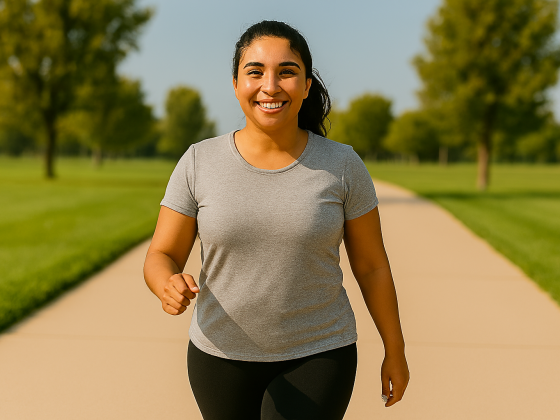
- Brisk walking (30 minutes, 5 days per week)
- Cycling (stationary or outdoor, 20-30 minutes)
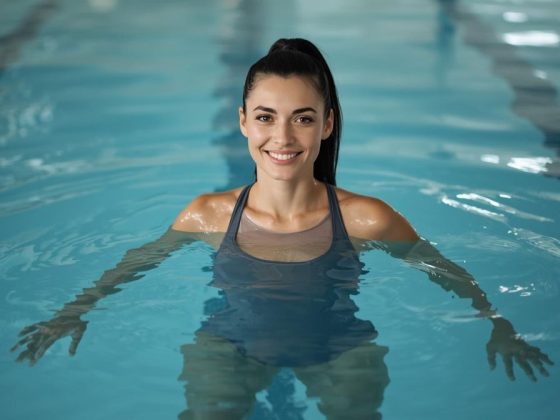
- Swimming (20-40 minutes, low-impact)
- Elliptical machine (20-30 minutes)
- Rowing machine (20-30 minutes)
- Dancing (fun and social, 30-40 minutes)
According to the American Heart Association, women over 40 should do at least 150 minutes of moderate-intensity cardio per week.
Flexibility & Balance (Daily)
Flexibility prevents injury and improves posture. Balance work prevents falls. Consequently, spend 10-15 minutes daily on stretching and balance exercises.
Simple flexibility exercises:
- Hamstring stretches (hold 20-30 seconds)
- Hip flexor stretches (hold 20-30 seconds)
- Shoulder stretches (hold 20-30 seconds)
- Calf stretches (hold 20-30 seconds)
- Yoga (20-30 minutes, 2-3 times per week)
Balance exercises:
- Single-leg stance (30 seconds each leg)
- Heel-to-toe walking (20 steps)
- Tai chi (natural and flowing)
- Balance board exercises (10-15 minutes)
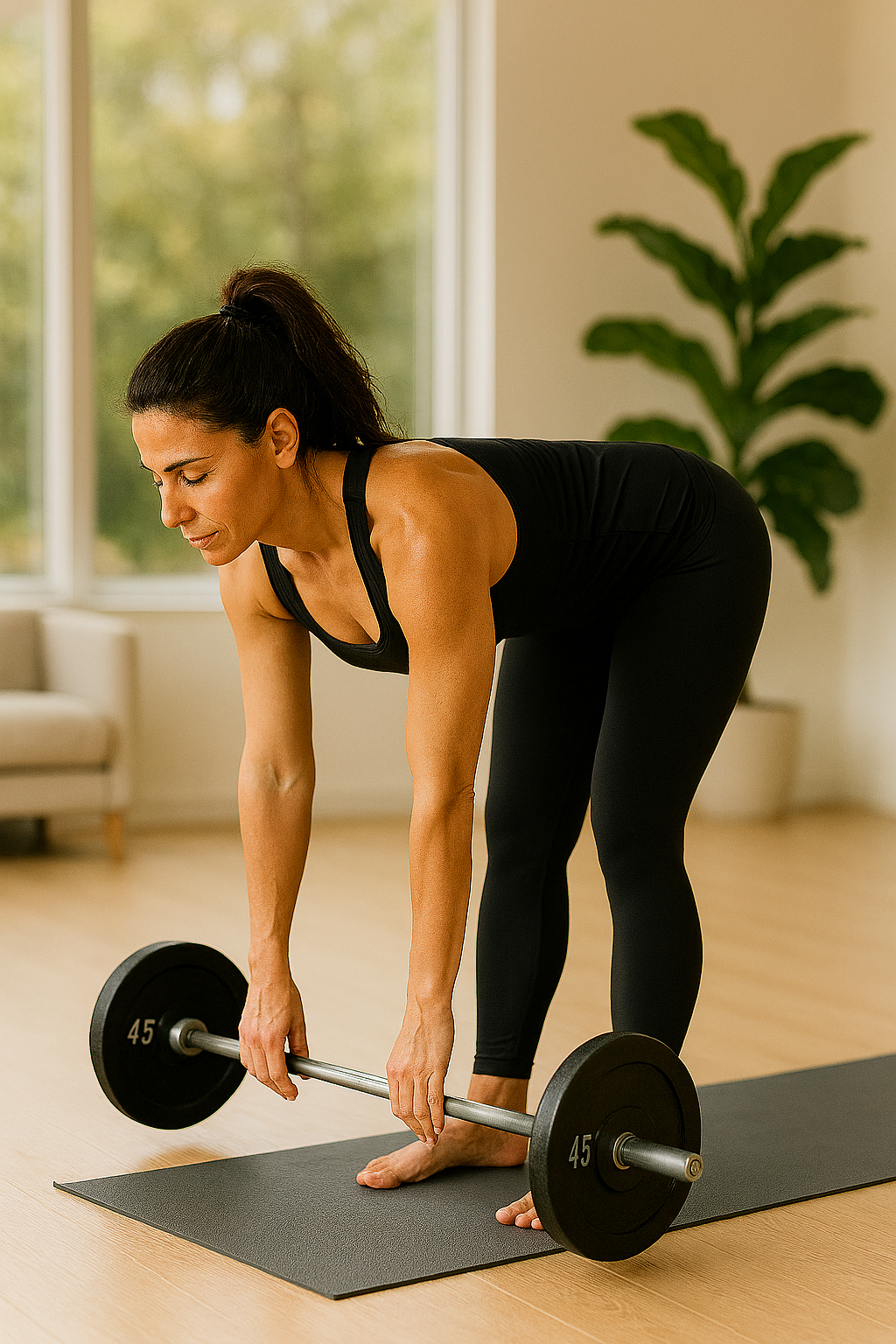
Yoga and stretching improve flexibility and balance, reducing injury risk for women over 40.
Sample Weekly Fitness Schedule for Women Over 40
Here is a realistic workout schedule you can follow:
Monday: Strength Training (Lower Body)
- Warm-up: 5 minutes light walking
- Squats: 3 sets of 10 reps
- Deadlifts: 3 sets of 8 reps
- Lunges: 3 sets of 10 reps per leg
- Calf raises: 3 sets of 15 reps
- Cool down and stretch: 5 minutes
Tuesday: Cardio
- Brisk walk or cycling: 30 minutes
- Stretching: 5 minutes
Wednesday: Strength Training (Upper Body)
- Warm-up: 5 minutes light cardio
- Push-ups: 3 sets of 8 reps
- Dumbbell rows: 3 sets of 10 reps
- Shoulder press: 3 sets of 8 reps
- Bicep curls: 3 sets of 10 reps
- Cool down and stretch: 5 minutes
Thursday: Cardio & Balance
- Swimming or elliptical: 30 minutes
- Balance exercises: 10 minutes
- Stretching: 5 minutes
Friday: Strength Training (Full Body)
- Warm-up: 5 minutes
- Planks: 3 sets of 30-60 seconds
- Squats: 3 sets of 10 reps
- Push-ups: 3 sets of 8 reps
- Deadlifts: 3 sets of 8 reps
- Cool down and stretch: 5 minutes
Saturday: Cardio or Fun Activity
- Brisk walk, dancing, or cycling: 30-45 minutes
- Stretching: 5 minutes
Sunday: Rest & Recovery
- Light stretching: 10-15 minutes
- Yoga or relaxation: 20 minutes
- Rest your body
Nutrition for Women Over 40
Exercise alone is not enough. Nutrition is equally important for fitness success. Moreover, what you eat directly affects your energy, recovery, and results.
Eat Enough Protein
Protein is essential for building and maintaining muscle. Women over 40 need more protein than younger women. Aim for 1.2-1.6 grams of protein per kilogram of body weight per day.
Good protein sources:
- Chicken breast and turkey
- Fish and salmon (high in omega-3 fats)
- Eggs and egg whites
- Greek yogurt and cottage cheese
- Beans and lentils
- Nuts and seeds
Choose Whole Foods
Whole foods are natural foods without much processing. They contain more nutrients and fewer empty calories. Furthermore, they keep you full longer, so you eat less overall.
Whole foods to eat:
- Vegetables (all colors)
- Fruits (berries, apples, oranges)
- Whole grains (oats, brown rice, quinoa)
- Lean meats and fish
- Healthy fats (olive oil, avocados, nuts)
Stay Hydrated
Water is essential for every function in your body. Dehydration makes you tired and hungry. Drink at least 8 glasses of water per day, or more if you exercise.
Additionally, limit sugary drinks like soda, energy drinks, and sweetened coffee drinks. These add empty calories that make weight management harder.
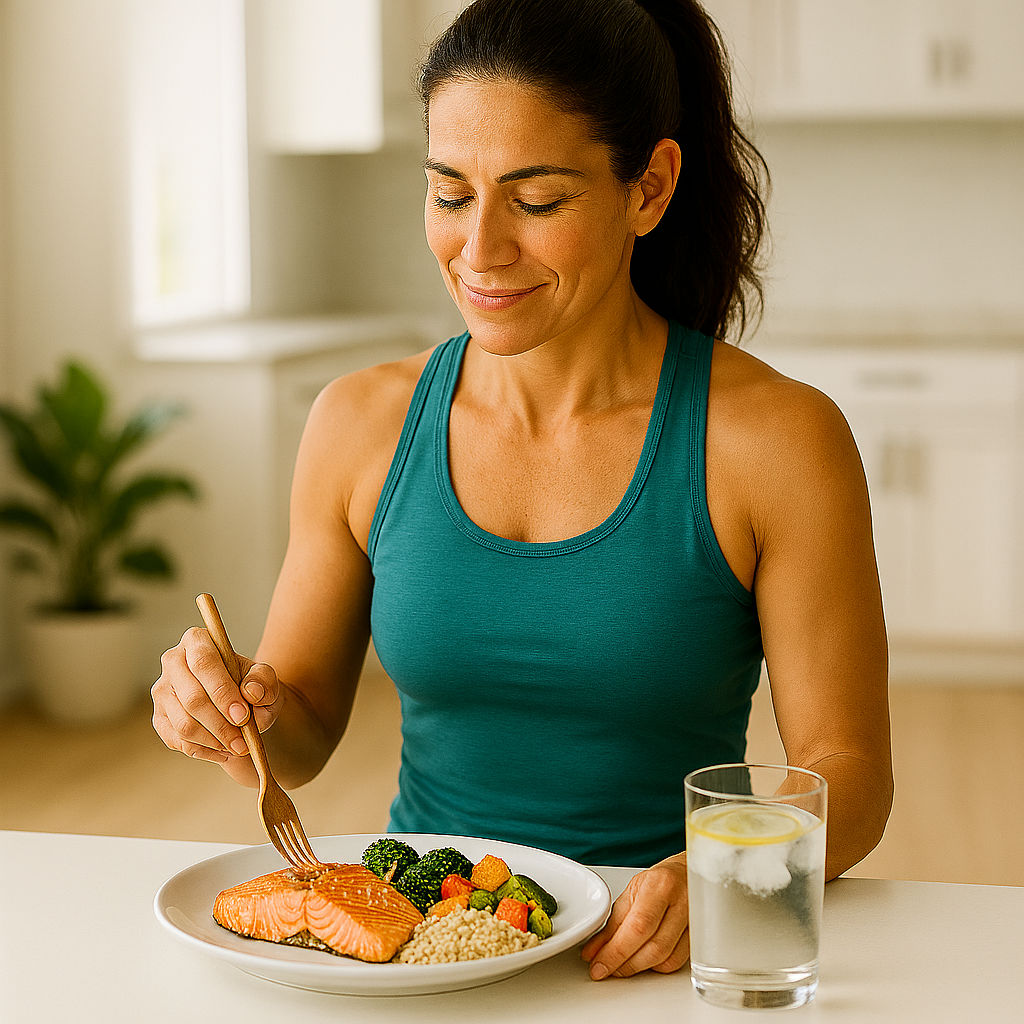
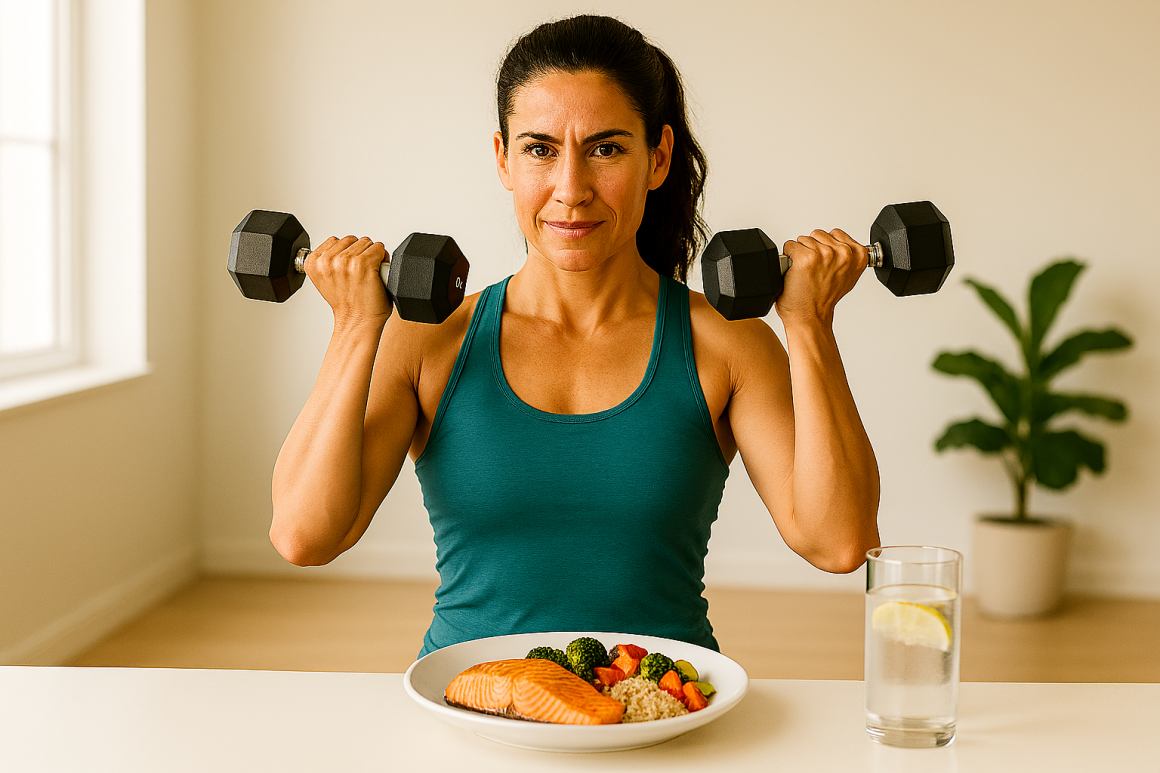
Proper nutrition with adequate protein and whole foods supports fitness goals for women over 40.
Recovery and Sleep for Women Over 40
Many women over 40 struggle with sleep. Hormonal changes can cause insomnia and night sweats. However, getting enough sleep is crucial for fitness success. During sleep, your body repairs muscles and restores energy.
Aim for 7-9 hours of quality sleep per night. Furthermore, follow these sleep tips:
- Go to bed at the same time every night
- Keep your bedroom cool and dark
- Avoid screens 30 minutes before bed
- Limit caffeine after 2 PM
- Exercise regularly (but not close to bedtime)
- Try relaxation techniques like meditation or deep breathing
Additionally, take rest days. Your body needs time to recover between workouts. Rest days help prevent burnout and injury. At minimum, take 1-2 complete rest days per week.
Common Mistakes Women Over 40 Make
Mistake #1: Only Doing Cardio
Many women think they should only do cardio to lose weight. However, strength training is more important for women over 40. Strength training builds muscle, which boosts your metabolism and burns more calories all day long.
Mistake #2: Not Eating Enough
Some women eat too little when trying to lose weight. This backfires. Eating too little slows your metabolism and causes muscle loss. Consequently, you gain fat instead of losing it.
Mistake #3: Ignoring Recovery
Recovery is just as important as the workout. Moreover, recovery includes sleep, stretching, and proper nutrition. Without recovery, you get injured or burned out.
Mistake #4: Comparing Yourself to Younger Women
Your body is different now. That is okay. Focus on what your body can do, not how it compares to younger women. Additionally, fitness is a lifelong journey, not a race.
Medical Disclaimer
IMPORTANT: This article is for educational purposes only. It is not medical advice. Before starting any new fitness program, consult with your doctor or healthcare provider. This is especially important if you have any health conditions, take medications, or have not exercised in a long time.
If you experience pain, dizziness, or shortness of breath during exercise, stop immediately and seek medical attention.
Key Takeaways
Fitness for women over 40 is absolutely possible. Your body may change, but it remains capable and strong. Moreover, women over 40 who exercise regularly enjoy better health, more energy, and greater independence.
Remember:
- Strength training is the foundation (3 days per week)
- Cardio keeps your heart healthy (3-4 days per week)
- Flexibility and balance prevent injury (daily)
- Nutrition supports your fitness (eat whole foods and protein)
- Sleep and recovery are essential (7-9 hours per night)
- Be patient and consistent (results take time)
You are never too old to start. Start today, stay consistent, and watch your health transform. Furthermore, if you have questions, talk to your doctor or a certified fitness professional.
Frequently Asked Questions
Q: Is 40 too old to start exercising?
A: No. You are never too old to start exercising. In fact, starting at 40 is excellent. Speak with your doctor first, then begin with gentle exercises and gradually increase intensity. Consequently, you will see health improvements quickly.
Q: How long does it take to see results?
A: You may notice improved energy and better sleep within 1-2 weeks. Visible muscle changes take 4-8 weeks of consistent exercise. Weight loss varies depending on nutrition and exercise intensity. However, stick with it. The results will come.
Q: Can I do strength training every day?
A: No. Your muscles need rest days to repair and grow. Additionally, exercising every day increases injury risk. Aim for 3-4 strength training days per week with rest days between. Moreover, you can do light cardio or stretching on rest days if desired.
Q: What if I have joint pain?
A: Low-impact exercises are safer for your joints. Furthermore, swimming, cycling, and elliptical machines are excellent choices. Additionally, talk to a physical therapist about modifications for your specific pain. Consider reading our guide on low-impact fitness for joint pain.
Q: Do I need expensive gym equipment?
A: No. You can exercise at home with minimal equipment. Furthermore, bodyweight exercises like push-ups and squats are very effective. If you want equipment, start with dumbbells and a resistance band. Consequently, you can build a complete home gym for under $100.
Q: How do I stay motivated?
A: Find an activity you enjoy. Join a group or class. Track your progress. Celebrate small wins. Moreover, remember your reasons for starting. When motivation is low, think about how exercise makes you feel: stronger, more energetic, and more confident.
Q: Is it normal to feel sore after exercise?
A: Yes. Muscle soreness (called DOMS – Delayed Onset Muscle Soreness) is normal, especially when starting a new routine. Moreover, soreness usually goes away within 3-5 days. However, sharp pain is not normal. If you experience sharp pain, stop and consult a healthcare provider.
Q: What about hormonal changes and exercise?
A: Exercise helps manage hormonal symptoms like hot flashes and mood swings. Furthermore, strength training supports bone health during hormonal transitions. Additionally, consult with your doctor if you have severe symptoms. Some women benefit from hormone replacement therapy combined with exercise.
Conclusion
Fitness for women over 40 is not just possible—it is essential. Your body continues to respond to exercise at any age. Moreover, with the right combination of strength training, cardio, flexibility work, and proper nutrition, you can maintain or even improve your health and fitness.
The time to start is now. Begin today with whatever activity appeals to you. Furthermore, be consistent, be patient, and be kind to yourself. Your future self will thank you for taking action today.
Ready to transform your fitness? Start with the sample weekly schedule above. Pick three exercises you like and commit to one week. Then gradually add more. Consequently, you will build a fitness habit that lasts a lifetime.
Have questions about fitness for women over 40? Leave a comment below or consult with your healthcare provider. Additionally, check out our other articles on fitness for seniors and postpartum recovery for related topics.